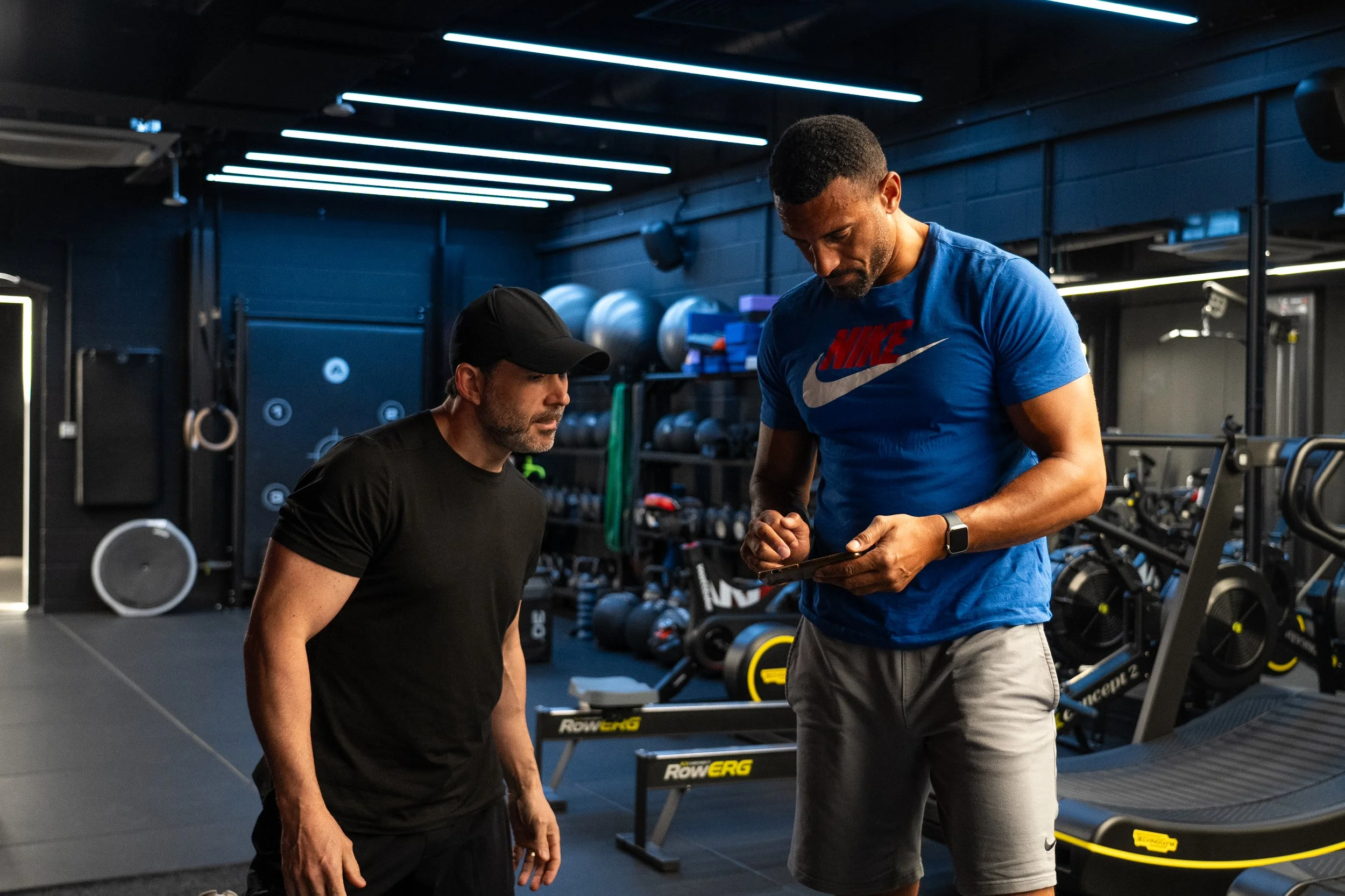
RICHIE BYRNE
FROM PROFESSIONAL FOOTBALL TO PERFORMANCE COACHING
THE EARLY AMBITION
Football gave me something very simple from an early age: a place where performance mattered.On the pitch, reputation counted for very little. What mattered was what you could produce in that moment — how well you prepared, how hard you competed and whether you could perform when it mattered.
I played several sports growing up in Dublin, but football was the one that captured me completely. As I progressed through schoolboy football, better clubs and stronger competition followed. Eventually, the opportunity came to travel to England for trials with professional clubs.
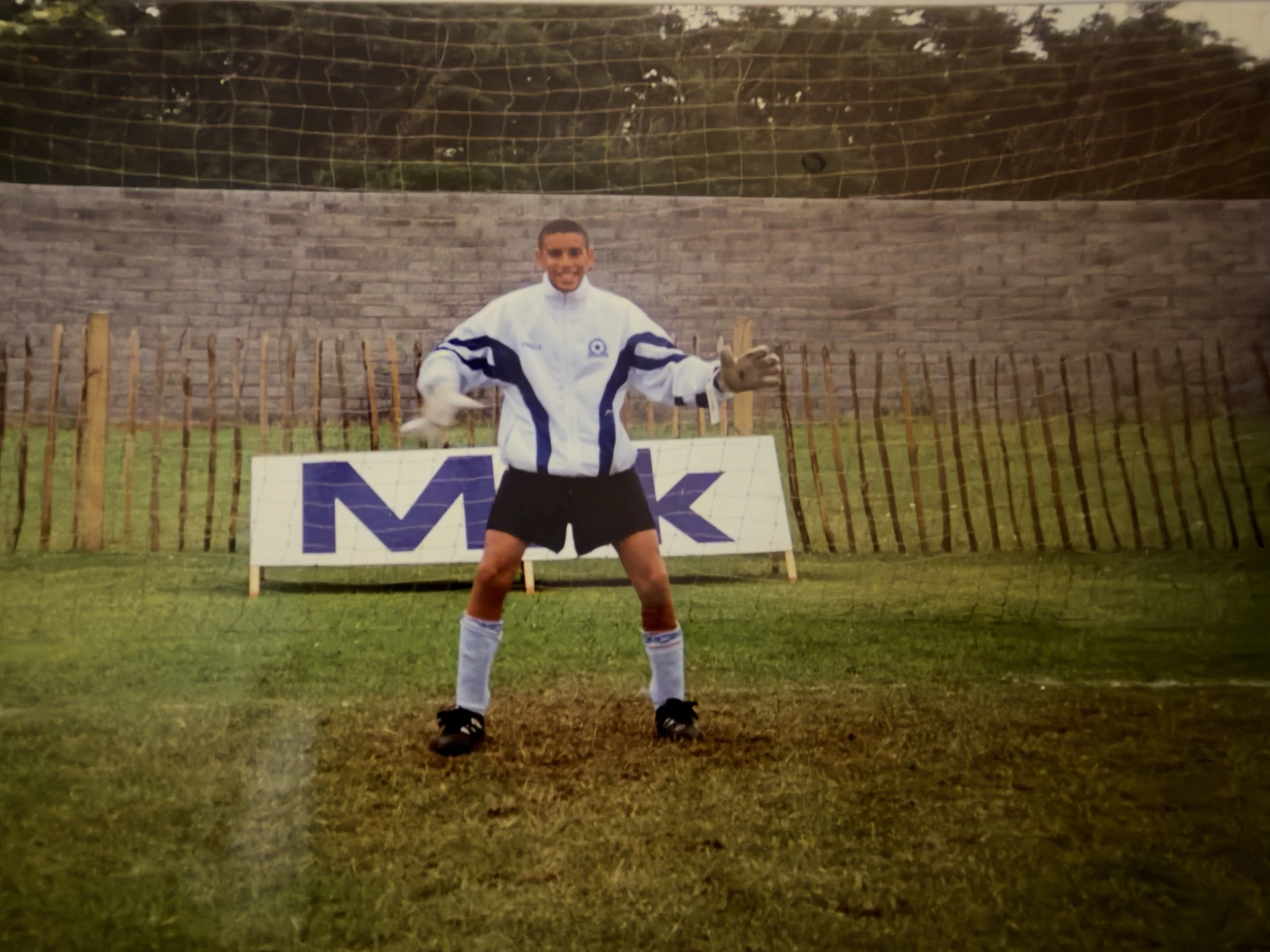
At the prestigious Milk Cup with Stella Maris FC
At 14, I was invited to Wolves and performed well enough to be asked back. I travelled to England repeatedly during school holidays, seeing first-hand the speed, intensity and standards expected from young professional players. I also learned very early that progress is rarely linear.After one particularly poor trial, the opportunities disappeared. I returned to Dublin disappointed and, for a period, football looked as though it might simply drift away.
Then a coach from Belvedere, Padar Beehan, came to my door. The choice he offered was straightforward: accept what had happened, or give myself another genuine opportunity to become a professional footballer.I chose the second. That decision changed the direction of my life.
FROM APPRENTICE ELECTRICIAN TO PROFESSIONAL FOOTBALLER
I joined Belvedere while also beginning an apprenticeship as an electrician. Within a couple of years, I had progressed to Shamrock Rovers and into the senior team at 19. During the day I worked; in the evenings I trained and played. Suddenly, football was no longer just an ambition. I was competing in league games, cup matches and European football. That period also taught me something I would appreciate much more later as a coach: performance is never entirely individual. Experienced players helped me understand professional standards, encouraged me and made me feel part of the group. The right environment allowed me to perform with greater confidence. Talent mattered. Training mattered. But so did leadership, culture and the people around you.
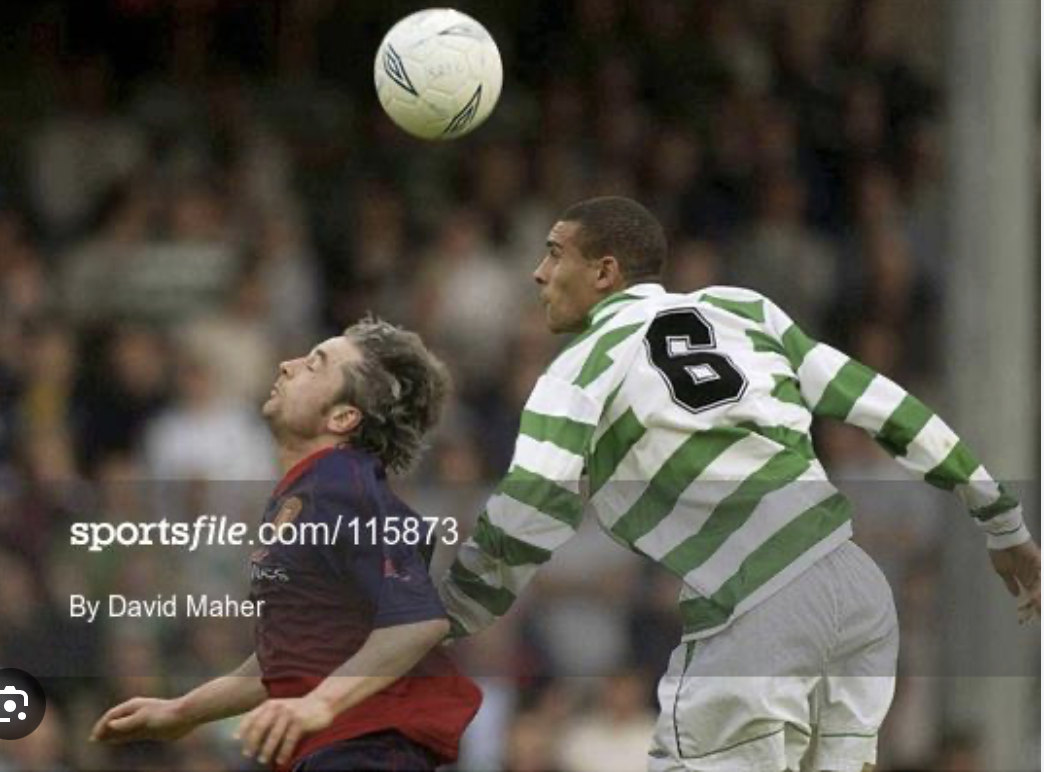
Shamrock Rovers vs St Pats
My performances eventually led to a move to Dunfermline Athletic in the Scottish Premier League. I went from watching many of those players on television to competing against them. We reached the Scottish Cup Final against Celtic, and I was later capped by the Republic of Ireland at U21 level and scored for the Senior B international team against Scotland. My career then took me to Aberdeen, where I played in European competition against teams including Atlético Madrid. Those years gave me experiences I had dreamed about as a young player in Dublin. They also gave me some of the experiences that would eventually shape the next stage of my career.
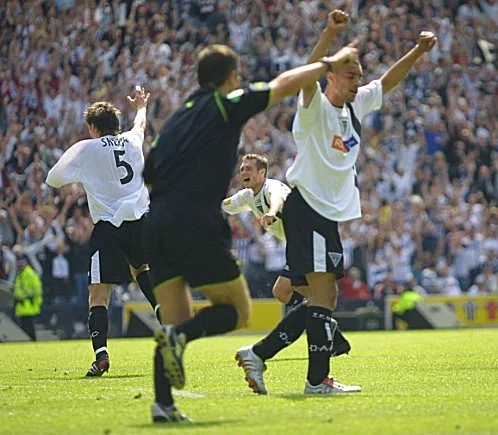
Dunfermline Athletic Scottish Cup Final goal celebration
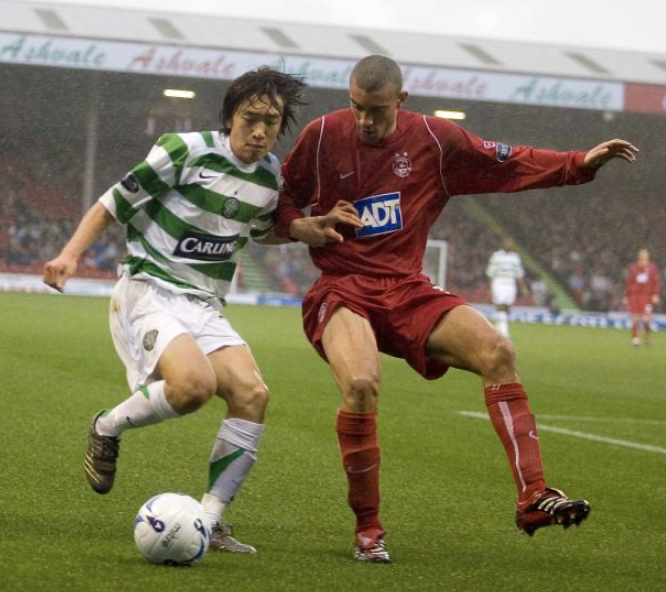
Aberdeen vs Celtic’s Nakamura
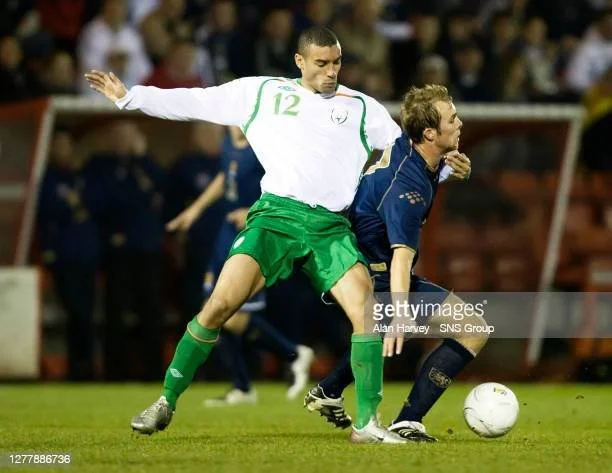
Ireland B vs Scotland B’s Whittaker
WHEN THE BODY STOPS COOPERATING
At Aberdeen, I suffered the most significant injury of my playing career: a serious hamstring tear. It came at a difficult time physically. I had already been returning from another injury and then experienced repeated problems with the hamstring. For a professional footballer, your body is your livelihood. Until then, mine had always been something I trusted. Suddenly, I didn't.
Contracts end quickly in professional sport. Injuries don't necessarily respect those timelines. I moved between clubs for a period, repeatedly trying to regain the physical condition I had previously taken for granted. Without the structure of a consistent performance programme between teams and seasons, I was attempting to prepare myself using methods that, looking back, were nowhere near sophisticated enough for what my body required. Eventually recurring hamstring problems and lower-back issues brought my professional playing career to an end. That was difficult — but it also left me with a question that became increasingly important:
Why had I been unable to get my body back to the level I knew it was capable of?
That question ultimately became more valuable than any answer I had at the time.
THE QUESTION THAT CHANGED MY CAREER
After football I moved to London and qualified as a personal trainer. At first, coaching gave me a way to stay connected to training and sport. But the deeper I went, the more interested I became in understanding physical performance properly. I didn't just want another collection of exercises. I wanted to understand strength, adaptation, fatigue, movement, recovery, injury risk and programme design. Why does one athlete tolerate a training load while another breaks down? Why does one programme produce progress while another simply produces fatigue? How do you know whether somebody is actually becoming stronger, more powerful or more robust? And how much of what happens in gyms is genuinely measured rather than assumed?
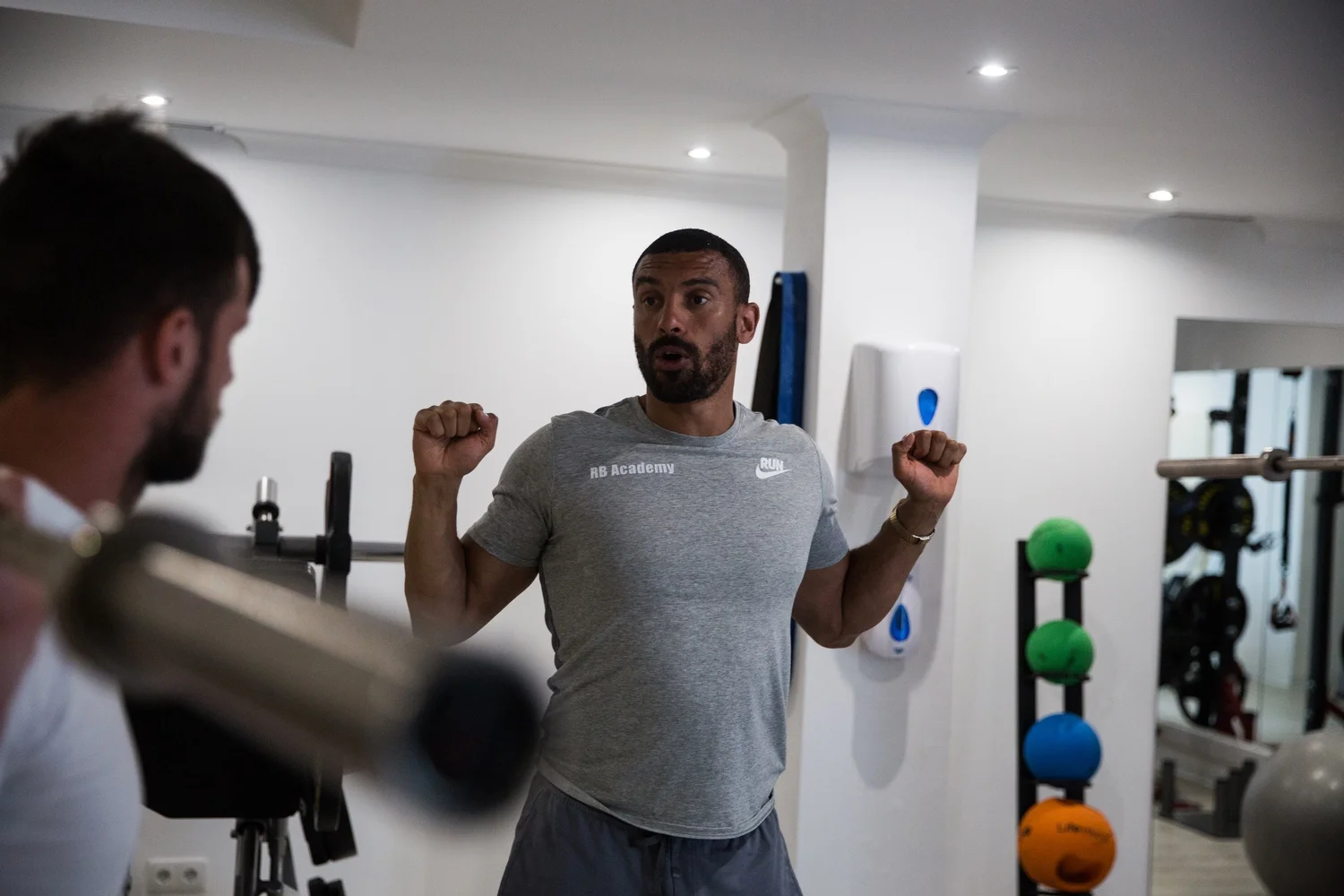
Coaching Young Athletes in the gym
Those questions eventually led me into formal Strength & Conditioning education. I completed a Master's degree in Strength & Conditioning at St Mary's University, achieved full UKSCA accreditation and continued through my UEFA football coaching qualifications. The aim was no longer simply to become a better trainer. It was to become a more complete coach.
BACK INTO PROFESSIONAL FOOTBALL — THIS TIME AS A COACH
Football eventually brought me back — but from the other side of the touchline.
I worked in professional Strength & Conditioning roles including Swindon Town Men's First Team, West Ham Women and Arsenal Women's Academy, coaching players across different stages of development and different performance environments.
Alongside that work, I continued coaching private clients in London. In 2025, my role with Dulwich Hamlet Women developed from Strength & Conditioning into management of the first team, adding another dimension to how I think about leadership, communication, decision-making and performance.
Coaching athletes and managing a team reinforced something important:
Physical preparation does not exist in isolation.
Performance is influenced by training, recovery, confidence, environment, workload, communication, lifestyle and the quality of the decisions made around all of them.
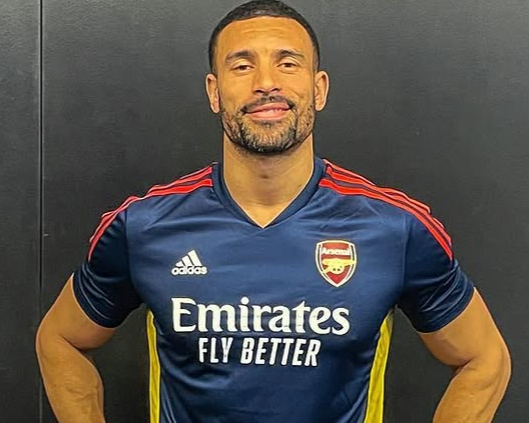
Arsenal 1st Season as S&C Coach
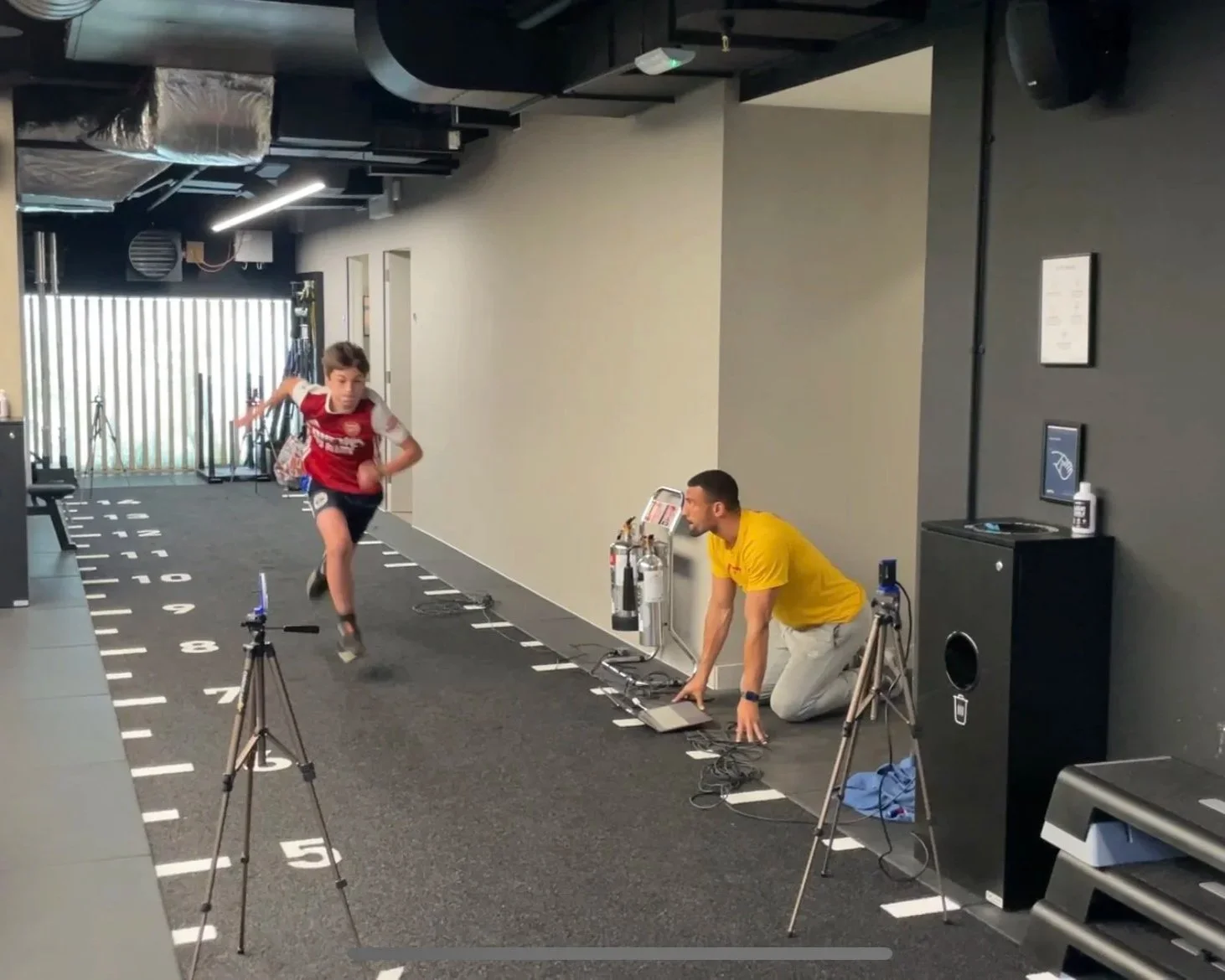
Sprint testing athletes at UNTIL Soho
WHY POTENTIA EXISTS
Potentia Performance grew from that combination of experience. Professional sport taught me what high performance looks and feels like. Injury taught me what happens when physical capability disappears. Academic study taught me how to question, measure and programme more intelligently. Coaching taught me that no two people arrive with the same body, schedule, pressures or goals. That is why the Potentia approach starts with assessment rather than assumption. The objective is not to make every client train like a professional footballer. A senior executive, an athlete and someone simply wanting to remain strong and capable for the next 30 years have very different lives. But the principles behind effective performance are remarkably consistent:
Assess. Understand. Plan. Coach. Evolve.
Understand where someone is now.
Identify what is most likely to improve their performance.
Build a plan around the individual rather than forcing the individual around the plan.
Execute consistently.
Then measure, learn and refine.
WHAT I BELIEVE NOW
My view of performance is very different from when I was a young footballer.
Back then, I associated success largely with working harder. Today, I think high performance is much more intelligent than that. Effort matters enormously. But effort without direction can simply create fatigue.mThe best performers — in sport, business or life — build systems around themselves that allow them to perform repeatedly.
They understand what matters. They prepare deliberately. They recover. They measure progress.
And when something isn't working, they adapt rather than simply doing more of the same. My role as a coach is to bring that structure to the people I work with. Not to recreate professional sport in somebody else's life. But to take what elite performance has taught me and apply the parts that genuinely help that individual become stronger, healthier, more resilient and more capable.